
Guide to Buying Bed Pads for Incontinence
-
Posted by
Anas
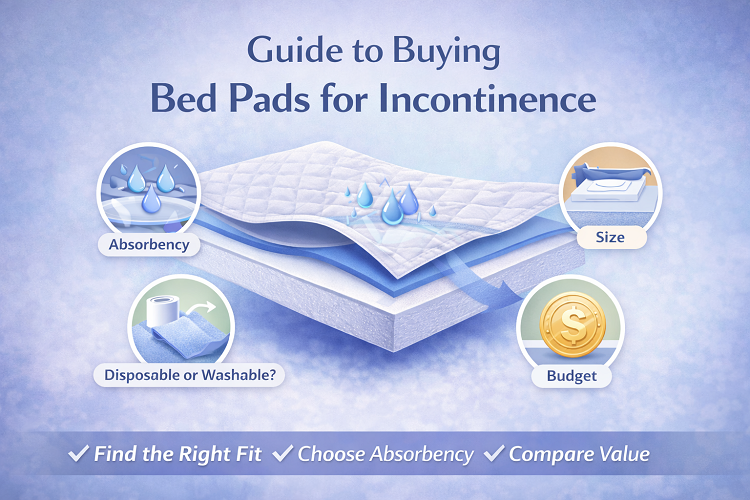
Choosing the right bed pads for incontinence can make a significant difference in comfort, hygiene, and sleep quality. Whether you are shopping for yourself, an elderly family member, or someone in your care, selecting the correct incontinence bed pads ensures better protection, reduced stress, and improved overnight rest.
With so many options available, from disposable bed pads to washable bed pads, it can feel overwhelming. This complete buying guide will help you understand what to look for, compare options, and confidently choose the best bed pads for your needs.
What Are Bed Pads for Incontinence?
Bed pads for incontinence, also known as under pads or mattress protectors, are absorbent pads placed on top of the mattress or fitted sheet to protect against urine leaks. They are designed to:
- Absorb moisture quickly
- Lock in liquid to keep the surface dry
- Protect the mattress from stains and odors
- Improve hygiene and comfort
They are commonly used for adults, elderly individuals, post-surgery patients, and people with limited mobility.
Why Choosing the Right Bed Pad Matters?
Not all bed pads offer the same level of protection. Selecting the wrong type can lead to:
- Frequent leaks
- Interrupted sleep
- Skin irritation
- Unpleasant odors
- Increased laundry
The right incontinence bed pad improves sleep quality, preserves mattress lifespan, and provides peace of mind.
Types of Bed Pads for Incontinence
Understanding the main types available will help narrow your choice.
Disposable Bed Pads
Disposable bed pads are single-use and ideal for convenience. They are lightweight, hygienic, and easy to replace. These are especially useful for:
- Travel
- Short-term recovery
- Occasional nighttime accidents
- Care homes and hospitals
They require no washing and can be quickly disposed of after use.
Washable Bed Pads
Washable bed pads are reusable and more cost-effective over time. They are made with multiple absorbent layers and a waterproof backing.
They are ideal for:
- Long-term use
- Regular nighttime protection
- Eco-conscious households
- Reducing ongoing costs
High-quality washable bed pads can withstand multiple washes without losing absorbency.

Key Features to Look for When Buying Bed Pads for Incontinence
When comparing options, focus on these important features.
Absorbency Level
Absorbency is the most critical factor. Choose a pad designed for light, moderate, or heavy incontinence, depending on your needs. For overnight protection, opt for high-absorbency bed pads that can handle larger volumes of liquid.
Waterproof Backing
A reliable waterproof layer prevents leaks from reaching the mattress. Look for pads with durable, leak-proof backing that still feels soft and quiet.
Size and Coverage
Bed pads come in different sizes. Ensure the pad provides enough coverage for the user’s sleeping position and movement during the night. Larger pads are often better for active sleepers.
Soft and Skin-Friendly Top Layer
Comfort matters. A soft, breathable top layer reduces friction and helps protect sensitive skin from irritation.
Non-Slip Design
Some bed pads include tuck-in flaps or anti-slip backing to prevent shifting. This is especially useful for restless sleepers.
Odor Control
Advanced bed pads may include odor-neutralizing technology, helping maintain a fresh sleeping environment.
How to Choose Bed Pads for Different Users?
Different individuals may require different features.
Bed Pads for Adults
Adults managing incontinence often benefit from discreet, high-absorbency options that stay secure throughout the night.
Bed Pads for the Elderly
For elderly users, comfort and skin protection are essential. Breathable materials and quick absorption help reduce the risk of skin breakdown.
Bed Pads for Urinary Incontinence
For urinary incontinence, focus on pads specifically designed for liquid absorption rather than general mattress protection.
Additional Tips for Buying Incontinence Bed Pads
- Check product reviews to understand real-world performance
- Consider buying in bulk for better value
- Ensure easy washing instructions if choosing reusable pads
- Keep spare pads available for quick changes
Thinking ahead reduces stress and ensures consistent protection.
Common Mistakes to Avoid When Buying Bed Pads
- Choosing the cheapest option without checking absorbency
- Selecting a pad that is too small
- Ignoring skin sensitivity concerns
- Overlooking waterproof quality
- Not considering nighttime usage needs
Investing in quality bed pads prevents discomfort and additional expenses later.
How Bed Pads Improve Sleep Quality?
The right bed pads for incontinence help create a comfortable and hygienic sleep environment. They reduce anxiety about leaks, protect bedding, and minimize disruptions during the night.
When users feel secure and dry, they are more likely to experience uninterrupted sleep. Caregivers also benefit from fewer late-night bedding changes.