
How to Maintain Proper Hygiene with Incontinence Bed Pads?
-
Posted by
Anas
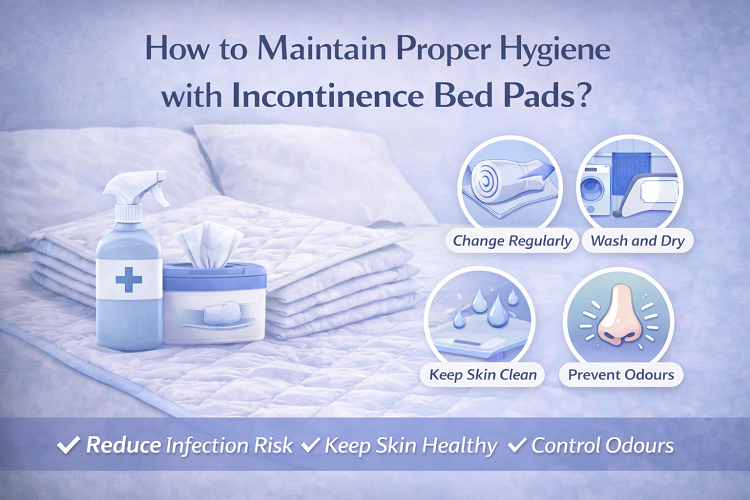
Maintaining proper hygiene is essential when managing bladder leakage, especially during the night. Whether used for adults, elderly individuals, or post-surgery care, incontinence bed pads play a key role in keeping bedding clean, protecting skin health, and preventing odors.
However, simply using bed pads is not enough. To ensure maximum cleanliness and comfort, it’s important to follow the right hygiene practices. In this guide, we’ll explain how to maintain proper hygiene with incontinence bed pads, how often to change them, and practical tips to create a clean, healthy sleeping environment.
Why Hygiene Matters in Incontinence Care?
Good hygiene reduces the risk of:
- Skin irritation and rashes
- Urinary tract infections (UTIs)
- Bacterial growth
- Unpleasant odors
- Mattress contamination
When moisture is left untreated, it can create a breeding ground for bacteria and cause skin breakdown. Proper use and maintenance of incontinence bed pads help prevent these issues while improving comfort and dignity.
Choose the Right Incontinence Bed Pads
Hygiene starts with selecting high-quality bed pads designed for effective moisture control.
Look for the following features:
- High absorbency to quickly lock away moisture
- Waterproof backing to protect the mattress
- Soft, breathable top layer to reduce skin irritation
- Odor-control technology for freshness
Using the correct pad for overnight or heavy incontinence ensures better hygiene from the start.
How Often Should You Change Incontinence Bed Pads?
One of the most common questions is how frequently bed pads should be changed.
For disposable bed pads, replace them immediately after they become wet. Avoid leaving a saturated pad in place for long periods, especially overnight.
For washable bed pads, change them as soon as they are damp and wash them promptly to prevent bacterial growth.
If leakage is light, inspect the pad regularly to ensure it remains dry. For heavy incontinence, more frequent changes may be necessary to maintain hygiene.

Proper Cleaning for Washable Bed Pads
If you use washable incontinence bed pads, correct laundering is essential.
Follow these steps:
- Wash pads separately from regular clothing when possible
- Use warm or hot water as recommended on the label
- Avoid fabric softeners, as they can reduce absorbency
- Use mild, fragrance-free detergent
- Ensure pads are fully dried before reuse
Complete drying prevents mould and bacteria growth and maintains the pad’s absorbent performance.
Protect the Mattress Underneath
Even with high-quality waterproof bed pads, it’s wise to add an extra layer of protection.
Consider using a waterproof mattress protector beneath the bed pad. This creates a double barrier against leaks and helps maintain long-term hygiene.
If an accident reaches the mattress, clean it immediately using appropriate cleaning solutions to prevent staining and odors.
Keep the Skin Clean and Dry
Bed hygiene and personal hygiene go hand in hand.
After any leakage:
- Gently cleanse the skin using mild soap or wipes
- Pat the area dry thoroughly
- Apply a protective barrier cream if recommended
Keeping skin dry reduces the risk of irritation, redness, and pressure sores, particularly for elderly users or those with limited mobility.
Store Bed Pads Properly
Proper storage also supports hygiene.
- Keep disposable bed pads in a clean, dry area away from moisture.
- Store washable pads in a breathable container once they are fully clean and dry.
- Avoid damp storage spaces, which can encourage mould growth.
Organized storage ensures your bed pads remain hygienic before use.
Reduce Odors Naturally
Odors are often caused by bacteria breaking down urine. To prevent this:
- Change pads promptly after use
- Wash reusable pads thoroughly
- Ensure proper ventilation in the bedroom
- Consider pads with built-in odor-control layers
Maintaining consistent hygiene routines helps eliminate unpleasant smells and keeps the sleeping space fresh.
Support Caregivers with Simple Hygiene Routines
For caregivers, creating a structured routine makes hygiene management easier.
- Keep spare bed pads within reach
- Have wipes and cleaning supplies nearby
- Establish a nightly check schedule if needed
- Dispose of used pads in sealed bags
A well-organized system reduces stress and ensures consistent cleanliness.
Common Hygiene Mistakes to Avoid
To maintain proper hygiene with incontinence bed pads, avoid these common mistakes:
- Leaving wet pads in place too long
- Reusing disposable pads
- Washing reusable pads without fully drying them
- Ignoring minor leaks
- Using harsh detergents that irritate the skin
Small oversights can lead to bigger hygiene problems over time.
The Long-Term Benefits of Proper Hygiene
When incontinence bed pads are used and maintained correctly, they help:
- Protect the mattress’s lifespan
- Prevent skin complications
- Reduce infection risk
- Improve sleep quality
- Maintain dignity and comfort
Consistent hygiene practices make incontinence management safer and more comfortable for both users and caregivers.