
Incontinence Pants vs. Pads: Which One Should You Choose?

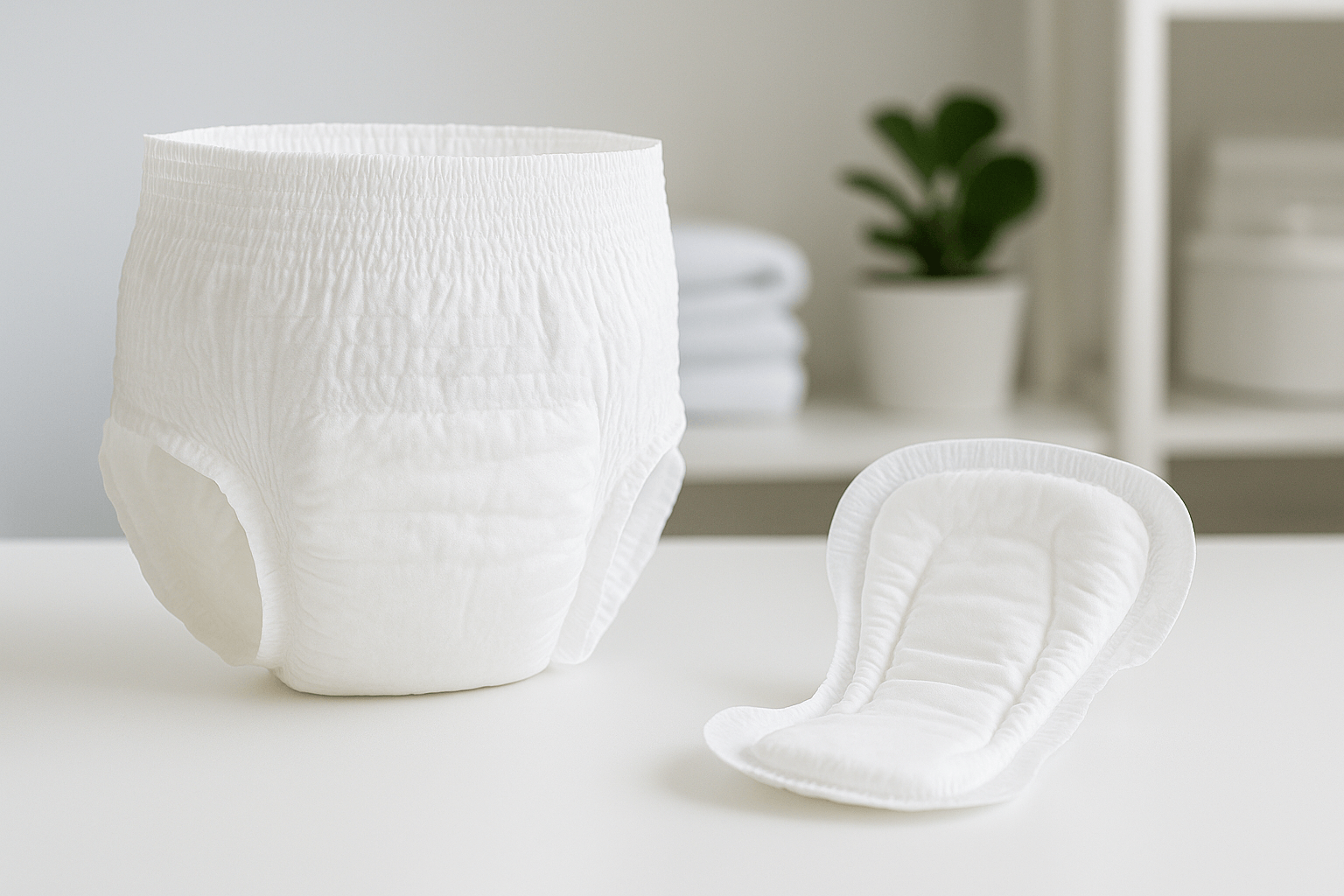
Urinary incontinence affects millions of individuals worldwide and can influence physical comfort, emotional wellbeing, and quality of life. Among the most commonly used management tools are incontinence pants and incontinence pads, each designed to offer discreet protection, absorbency, and confidence during daily activities. Although both serve the same purpose containing and managing urinary leakage their structure, performance, and ideal use cases differ. Choosing between them requires considering personal lifestyle, type of incontinence, mobility levels, and skin health. This article presents a balanced comparison to help you make an informed decision.
What Are Incontinence Pants?
Incontinence pants, sometimes referred to as absorbent pull-ups or disposable underwear, are worn like conventional briefs. They are designed with elasticated waistbands, built-in absorbent cores, and moisture-locking layers. Unlike stand alone pads, pants provide all around coverage, making them suitable for moderate to heavier leakage. Their underwear-like structure allows for greater stability and reduces the risk of product movement.
Benefits of Incontinence Pants
Incontinence pants offer a secure, body contoured fit that supports individuals seeking uninterrupted protection throughout the day or night. For people with active lifestyles, the underwear design prevents slipping and ensures the absorbent areas stay in the correct position, even during movement. The full coverage can also provide psychological reassurance, especially for those concerned about visible leaks. Many pants incorporate odor-control technology, breathable outer layers, and soft materials to reduce skin irritation.
Limitations of Incontinence Pants
Despite their advantages, pants can be bulkier than pads and may not be the preferred option for individuals looking for minimal daily protection. They are typically more expensive per unit due to their integrated design. Some users with limited mobility or dexterity may also find it challenging to pull them on and off, especially in care settings where frequent changes are required.
What Are Incontinence Pads?
Incontinence pads are discreet absorbent inserts designed to be worn inside regular underwear or specialized fixation pants. They vary in shape and size, from slim liners for light leakage to more substantial options for moderate incontinence. Pads rely on adhesive backing or secure underwear to remain in position.
Benefits of Incontinence Pads
Pads are often considered the most flexible and discreet option. Their slim design allows users to maintain their regular underwear style, which can support a sense of normalcy. They are ideal for light to moderate leakage, stress incontinence, or post surgical dribbling. For individuals who require multiple changes throughout the day, pads can be quicker and easier to replace than full pants. They are also generally more cost effective for long term use.
Limitations of Incontinence Pads
Pads may shift if not worn correctly or if the user is highly active, potentially reducing protection. For heavier incontinence or sudden, large leakage episodes, pads may not offer the containment capacity needed. Some individuals may also feel less secure with pads due to their smaller surface area and reliance on proper positioning.
Comparing Absorbency and Protection Levels
Absorbency is often the deciding factor when choosing between pants and pads. Incontinence pants typically provide higher absorbency because of their multi layered design and greater surface coverage. This makes them suitable for nighttime use, urge incontinence, or instances of large-volume leakage. In contrast, pads are more suitable for lighter leakage, such as stress incontinence triggered by coughing, lifting, or exercise.
Both options use super-absorbent polymers that lock in moisture and reduce the risk of skin breakdown. However, the choice should be guided by the individual’s leakage patterns, daily routine, and personal comfort.
Comfort and Skin Health Considerations
Skin integrity plays a crucial role in continence care. Incontinence pants offer greater all round protection, which can help manage moisture more effectively. However, because they cover more skin surface, they may retain heat if the material is not sufficiently breathable. Pads, on the other hand, expose more skin to air flow and can be easier on individuals prone to irritation or dermatitis.
It is essential to choose products with soft, dermatologically tested materials and to change them regularly to prevent prolonged exposure to moisture. Regardless of product choice, good skincare practices such as cleansing, moisturizing, and using barrier creams are essential.
Ease of Use and Lifestyle Compatibility
The user’s lifestyle should also guide product selection. Active individuals or those needing dependable all-day support may prefer pants for their stability and absorbency. Those with lighter symptoms or who value discretion may lean toward pads.
For caregivers, pads are often easier to replace, particularly for people with limited mobility. Incontinence pants can require additional steps during clothing changes, but they also reduce the risk of leaks during transfers or repositioning. Both products are designed to be discreet under clothing, with modern options focusing on thinner cores and flexible materials.
Cost Considerations
Cost can vary significantly between products. Incontinence pants are generally priced higher per piece due to their complete garment structure. Pads are more economical, especially for individuals who change frequently or have low to moderate leakage. However, the total cost should also include considerations regarding skin health, laundry needs, and the level of protection required. In some cases, choosing a more absorbent product may reduce the frequency of changes and improve comfort, balancing the overall expense.
Finding the Most Suitable Option for Your Needs
Ultimately, there is no universally superior choice; both incontinence pants and pads play important roles in continence care. A balanced assessment of individual needs, lifestyle factors, and clinical considerations will guide the best selection. Many people use both options interchangeably depending on the situation, such as pads during the day and pants at night.
If you are exploring options, products from trusted suppliers such as AvaDry can provide high-quality materials and reliable absorption performance. Consulting with a healthcare professional, such as a continence nurse or urologist, may also help determine which product aligns best with your specific condition and comfort preferences.
Conclusion
Choosing between incontinence pants and pads involves evaluating absorbency needs, comfort, mobility, budget, and overall lifestyle. Both products are effective solutions for managing urinary incontinence, and each offers unique benefits that can support independence and quality of life. A neutral, informed approach supported by proper skincare and timely product changes ensures optimal comfort and dignity for users in any situation.